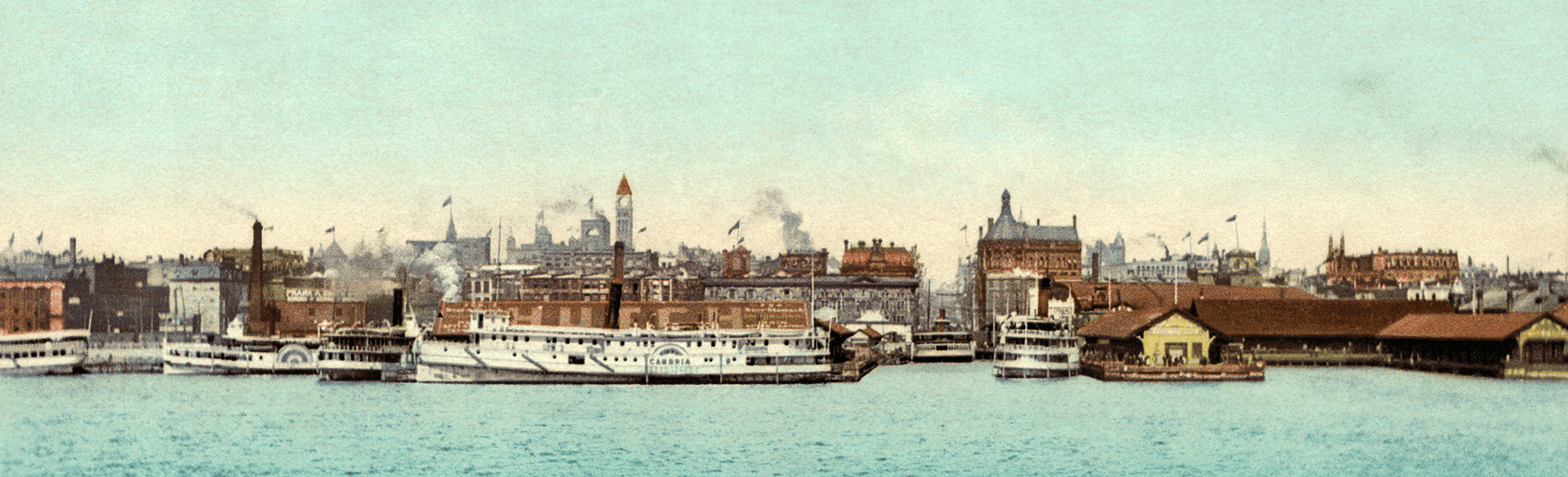

The Toronto Project® was launched in 2005 with the intention of building meaningful connections between the City of Toronto and its population – past, present, and future – through the use of history.
Toronto’s rich history highlights both the accomplishments of its people, as well as the strength and continuity of its diverse communities.
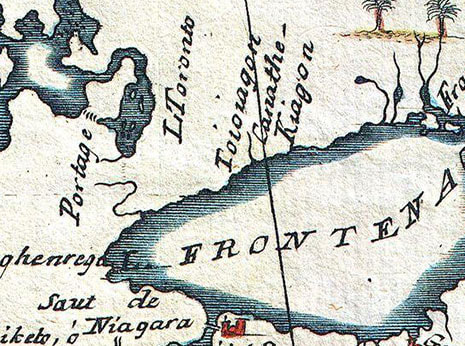
MAPS
PEOPLE

PLACES
The Toronto Project thanks all those who have provided their kind assistance over the years, whether in the form of permissions for events and content, or providing a platform to help reach the community. Please note that appearance here is not indicative of endorsement or support, but simply past assistance for which we are truly grateful.

The Toronto Project thanks the following for legal and technical support.
Toronto Trademark Lawyer.ca is a law firm that has helped businesses register trademarks since 2007. (torontotrademarklawyer.ca)
Vibrum has helped businesses with webdesign, SEO, and online lead generation since 2001. (vibrum.com)
CHARITY AND DONATIONS
The Toronto Project is a registered Canadian charity, advancing education by increasing the public’s knowledge and appreciation of the general history of the city of Toronto, and in particular its social, cultural, architectural, geographical, and natural heritage, specifically through:
(1) the operation and development of a history of Toronto website;
(2) research to provide accurate educational information to the public; and
(3) networking with other charities with compatible aims.
Charitable Registration Number: No. 863000386 RR 0001
If you appreciate our work, please consider donating. We use PayPal to accept donations. Official income tax receipts are issued by email for donations of $20 or more. Thank you.
HELPFUL LINKS
The Tollkeeper’s Cottage (tollkeeperscottage.ca)
DISCLAIMER, COPYRIGHT, TRADEMARK
This website is provided for informational purposes only. Content may not be accurate, complete or current, and we make no representations or warranties of any kind.
No part of this website may be reproduced without first obtaining express written permission.
TORONTO PROJECT is a registered trademark.
CONTACT
We can be reached at history@torontoproject.com